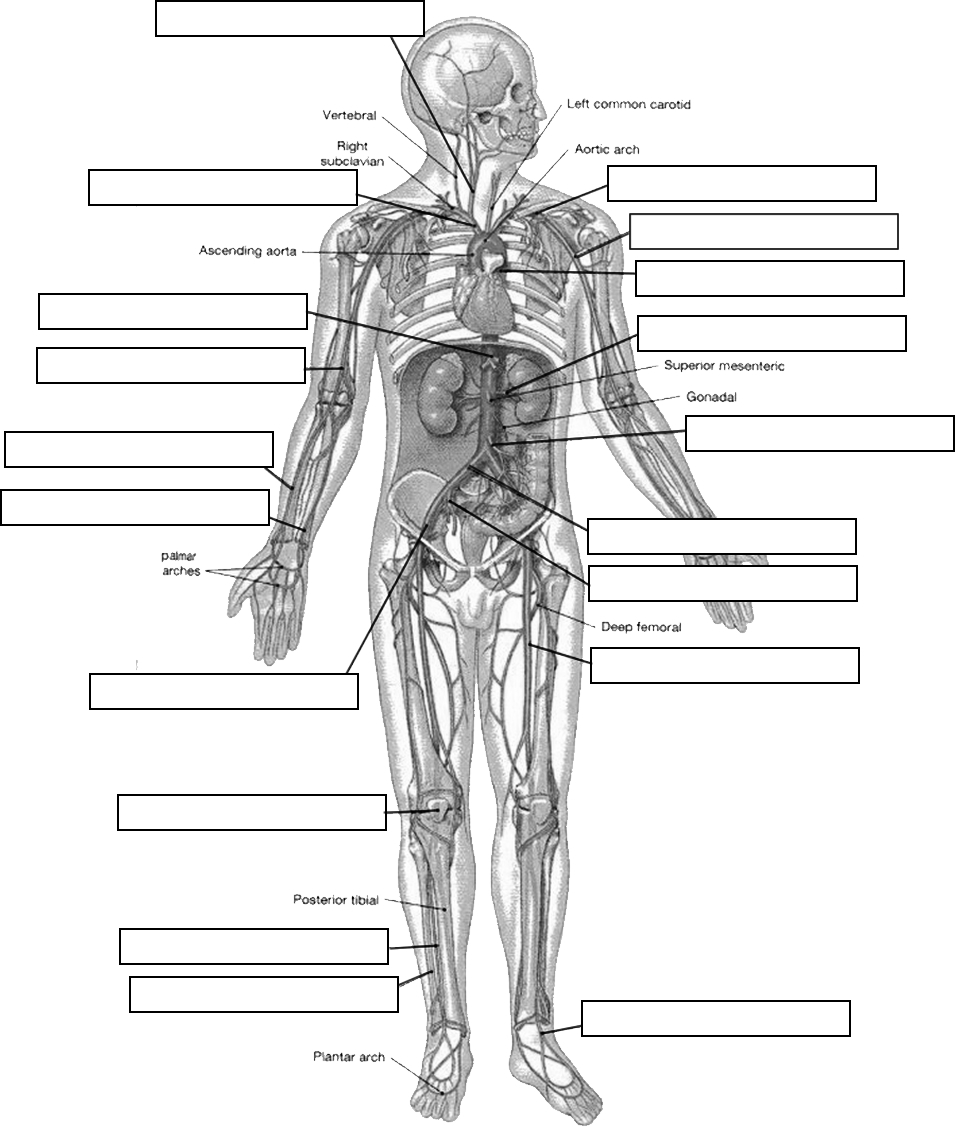
Label The Blood Vessel Human Bio - Mammalian Heart and Blood Vessels · Biology. Nutrients and metabolic end products move between the capillary vessels and the surroundings of the cell through the interstitial fluid by diffusion and mediated transport. The major human arteries and veins are shown. Modification of work by mariana ruiz villareal). They include arteries, veins, and capillaries. Trace the general path of blood from the heart through the systemic circuit and back to the heart.
The iliac artery takes blood to the lower limbs. Blood is a constantly circulating fluid providing the body with nutrition, oxygen, and waste removal. These vessels transport blood cells, nutrients, and oxygen to the tissues of the body. Blood is oxygenated in capillaries that flow through the alveoli of the lungs. Blood vessels (types, structure and function):
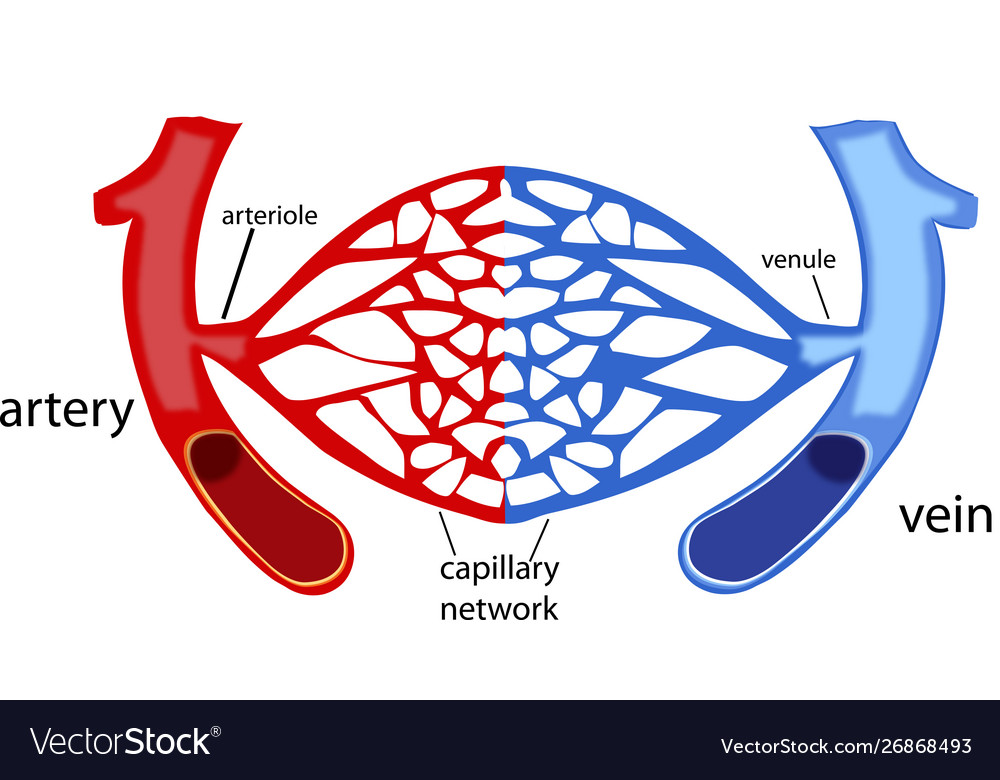
Blood vessels human body capillaries Royalty Free Vector from cdn4.vectorstock.com The exchange of gases and other substances between cells and the blood takes place across the extremely thin walls of capillaries. Learn more about the anatomy and types of blood vessels and the diseases that affect them. The major arteries diverge into minor arteries, and then smaller vessels called arterioles, to reach more deeply into the muscles. Learn vocabulary, terms and more with flashcards, games and other study tools. The difference in the structural characteristics of arteries, capillaries and veins is attributable to their respective functions. Human anatomy and physiology ii homepage bio 2320. They include arteries, veins, and capillaries. Oxygenated blood is then returned to the left atrium of the heart by four pulmonary veins.
Arteries transport blood away from the heart.
Blood is mostly liquid, with numerous cells and proteins suspended in it, making blood is prevented from clotting in the blood vessels by their smoothness, and the finely tuned balance of clotting factors. The blood then moves into successively smaller arteries, finally reaching their smallest branches, the arterioles, which feed into the capillary beds of body organs and tissues. Veins are blood vessels that carry blood toward the heart. Arteries can carry blood from the heart to the of the parts of the body. The electronic blood vessel would be an ideal platform to enable diagnostics and treatments in the cardiovascular system and can greatly. Name the fetal blood vessel that contains the highest concentration of oxygen. Nutrients and metabolic end products move between the capillary vessels and the surroundings of the cell through the interstitial fluid by diffusion and mediated transport. The superior vena cava is the large vein that brings blood from the head and arms to the heart, and the inferior vena cava brings blood from the abdomen and legs into the heart. A cadaver is a dead human body that is used by medical students, physicians and other scientists to study anatomy, identify disease sites, determine causes of death, and provide tissue to repair a defect in a living human being. The arteries and veins on the vessel man model note that pulmonary arteries and veins are colored by type in the labels but colored red or blue based on oxygenation on the model itself. Blood vessels (types, structure and function): The inner lining is the endothelium and is surrounded by subendothelial connective tissue. The systemic veins return deoxygenated blood to the right atrium of the heart via the superior vena cava and inferior vena cava.
Blood vessel, a vessel in the human or animal body in which blood circulates. They include arteries, veins, and capillaries. The difference in the structural characteristics of arteries, capillaries and veins is attributable to their respective functions. Blood vessel is a vessel in the human or animal body in which blood circulates. The biological war against humanity has just shifted from the please come take these friendly vaccine phase to a globalist nuke from orbit stance that plans to force mass extermination injections on the entire human race.
Label the Vessels of the Human Body from www.biologycorner.com ⇒ click on the diagram to show / hide labels. These vessels transport blood cells, nutrients, and oxygen to the tissues of the body. The superior vena cava is the large vein that brings blood from the head and arms to the heart, and the inferior vena cava brings blood from the abdomen and legs into the heart. This blood is no longer under much pressure, so many veins have valves that prevent backflow of blood. Nutrients and metabolic end products move between the capillary vessels and the surroundings of the cell through the interstitial fluid by diffusion and mediated transport. Trace the general path of blood from the heart through the systemic circuit and back to the heart. Blood pressure results from the blood flow force generated by the pumping heart and the resistance of the blood vessel walls. The blood vessels are the components of the circulatory system that transport blood the blood vessels are an important part of the cardiovascular system.
Since the plausible upper limit on average blood vessel diameter is 30 microns, it seems.
Blood is a constantly circulating fluid providing the body with nutrition, oxygen, and waste removal. Arteries transport blood away from the heart. Blood pressure results from the blood flow force generated by the pumping heart and the resistance of the blood vessel walls. Understanding the structure and function of arteries, capillaries and veins in higher human biology. The major human arteries and veins are shown. The exchange of gases and other substances between cells and the blood takes place across the extremely thin walls of capillaries. Blood is mostly liquid, with numerous cells and proteins suspended in it, making blood is prevented from clotting in the blood vessels by their smoothness, and the finely tuned balance of clotting factors. The blood vessels are part of the circulatory system and function to transport blood throughout the body. Name the fetal blood vessel that contains the highest concentration of oxygen. Blood vessel, a vessel in the human or animal body in which blood circulates. The blood vessels are the components of the circulatory system that transport blood the blood vessels are an important part of the cardiovascular system. Blood vessel is a vessel in the human or animal body in which blood circulates. Learn more about the anatomy and types of blood vessels and the diseases that affect them.
Gwinnett technical college bio 2114 lab. Nutrients and metabolic end products move between the capillary vessels and the surroundings of the cell through the interstitial fluid by diffusion and mediated transport. The longer the blood vessel, the arterial blood pressure is a consequence of two factors: Arteries can carry blood from the heart to the of the parts of the body. Modification of work by mariana ruiz villareal).
Pin on College! from i.pinimg.com Human anatomy and physiology ii homepage bio 2320. The irrational desperation of governors and national l. The systemic veins return deoxygenated blood to the right atrium of the heart via the superior vena cava and inferior vena cava. Blood vessel, a vessel in the human or animal body in which blood circulates. Blood vessel endothelium is continuous with the inner tissue lining of organs such as the brain, lungs, skin, and heart. Learn more from cleveland clinic about the major blood vessels with illustrations of upper and lower body circulation. Veins are blood vessels that carry blood toward the heart. The longer the blood vessel, the arterial blood pressure is a consequence of two factors:
Learn more about the anatomy and types of blood vessels and the diseases that affect them.
The blood vessels are an important part of the cardiovascular system. They also take waste and carbon dioxide away from the tissues. The amount of blood forced into a vessel and how wide the arteries near the heart can expand. Modification of work by mariana ruiz villareal). The difference in the structural characteristics of arteries, capillaries and veins is attributable to their respective functions. Learn more from cleveland clinic about the major blood vessels with illustrations of upper and lower body circulation. Blood vessel, a vessel in the human or animal body in which blood circulates. Oxygenated blood is then returned to the left atrium of the heart by four pulmonary veins. Trace the general path of blood from the heart through the systemic circuit and back to the heart. Understanding the structure and function of arteries, capillaries and veins in higher human biology. Blood is oxygenated in capillaries that flow through the alveoli of the lungs. The blood vessels are the components of the circulatory system that transport blood the blood vessels are an important part of the cardiovascular system. Blood flows throughout the body tissues in blood vessels, via bulk flow (i.e., all constituents together and in one direction).